Singin' in the Rain

Daderot · CC0
It offers a lighthearted depiction of Hollywood in the late 1920s, portraying performers caught up in the transition from silent films to talkies.
- directors
- Gene Kelly and Stanley Donen
- genre
- Musical romantic comedy
- studio
- MGM
- lead_actors
- Gene Kelly, Donald O'Connor, Debbie Reynolds
- notable_song
- Singin' in the Rain
Lore & Background
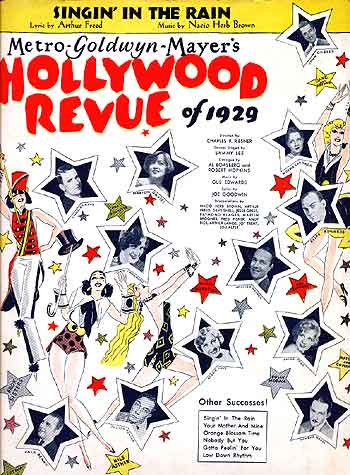
Arthur Freed conceived the idea of the film based on the back catalogs of songs written by himself and Nacio Herb Brown. Because many of the songs had been written during the transition from silent films to talkies, writers Betty Comden and Adolph Green decided that was when the story should be set. When the story morphed into that of a romantic hero with a vaudevillian background surviving the transition period in Hollywood and falling back onto his old song-and-dance habits, Kelly, who was chosen for the lead along with Donen, responded enthusiastically to it. Film historians note that Singin' in the Rain was not initially expected to become a classic, as MGM treated it as a routine musical project during production.
Reader's Guide
The film was only a modest hit when it was first released. Today it is frequently cited as the greatest musical film and one of the greatest films ever made.
Did You Know?
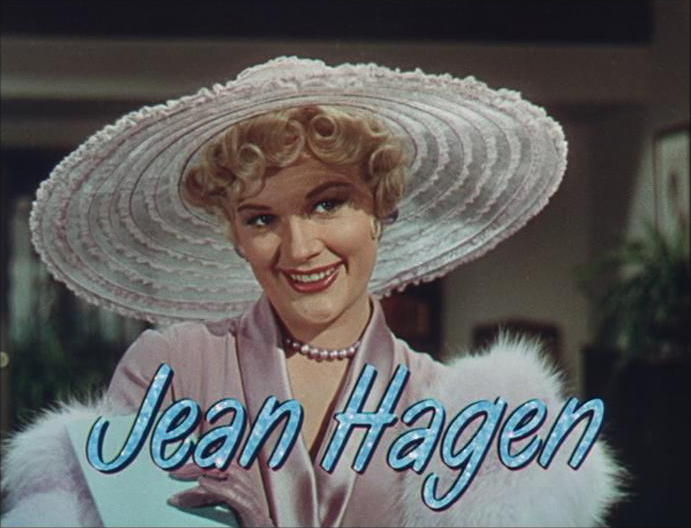
- Jean Hagen won the role of Lina Lamont after doing a dead-on impression of Billie Dawn, Judy Holliday's character from Born Yesterday.
- The initials of the fictional head of Monumental Pictures, R. F. Simpson, are a reference to producer Arthur Freed.
- Betty Noyes provided the singing voice for Debbie Reynolds on 'Would You' and 'Good Morning', not 'You Are My Lucky Star' (which was sung by Debbie Reynolds herself).
Origins and Production
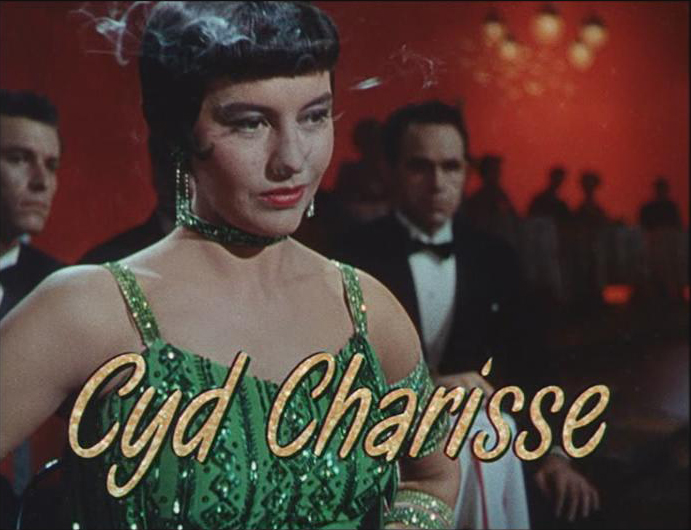
The project originated when producer Arthur Freed looked to the shared song catalog he and composer Nacio Herb Brown had built over the years. Since many of those numbers had been composed during the era when Hollywood was shifting from silent pictures to sound, screenwriters Betty Comden and Adolph Green naturally anchored the narrative in that transitional period. The story grew into a tale of a vaudeville-born romantic hero navigating the talkie revolution while rediscovering his love of song and dance. Gene Kelly, selected for the lead alongside director Stanley Donen, embraced the premise with great enthusiasm. Despite this creative energy, MGM handled the production as a fairly standard musical assignment, and film historians note the studio never anticipated it would achieve lasting distinction. After a premiere screening at the Radio City Music Hall, the picture opened across the country on April 11, 1952. Beyond Kelly, the cast featured Donald O'Connor and Debbie Reynolds in the leads, with Jean Hagen, Millard Mitchell, Douglas Fowley, Rita Moreno, and Cyd Charisse rounding out the ensemble.
Narrative and Structure
The storyline follows silent-era movie star Don Lockwood and his co-star Lina Lamont as they navigate the industry's pivot to talking pictures. Don, whose glamorous public persona masks a humble background as a hoofer and stuntman working alongside his childhood friend Cosmo Brown, finds his world upended when the studio decides to convert their next picture into a talkie. Lina's harsh, high-pitched voice and unfamiliarity with recording technology create chaos on set, and the preview screening collapses under a cascade of technical failures including awkward microphone placements and audio desynchronization. The solution arrives through Kathy Selden, a chorus girl and aspiring stage actress who initially clashes with Don but gradually wins his heart. Kathy and Cosmo devise a plan to transform the troubled production into a musical and have Kathy secretly dub Lina's vocal performances. The climax arrives at the premiere of the reworked film, where the men orchestrate a public unmasking of Lina's lip-syncing, ultimately revealing Kathy as the true voice behind the star.
Critical Legacy and Rankings
At its 1952 release the picture was merely a modest box-office performer, and the studio had not expected it to outlive its initial run. Over the decades, however, its reputation has grown into something extraordinary. It is now routinely named the greatest musical ever produced and frequently appears among the finest films of all time. The American Film Institute placed it at the top of its Greatest Movie Musicals list, ranked it fifth among all American films in its 2007 updated poll after holding the tenth position in the original 1998 survey, and gave Kelly's performance of the title song the third spot on its greatest film songs ranking. Internationally, the British Film Institute selected it as one of fifty films young viewers should see before turning fourteen, and Empire magazine positioned it eighth on its all-time list. Sight & Sound's critics' poll has consistently honored the film, placing it third in 1982, tenth in 2002, and again tenth in 2022.
Preservation and Restoration
Recognizing its enduring cultural and aesthetic significance, the United States Library of Congress included the film among the very first twenty-five titles selected for the National Film Registry in 1989. This designation ensured that a copy would be safeguarded for future generations as part of the nation's audiovisual heritage. The film has also benefited from multiple major restoration efforts over the years, reflecting both advances in technology and continued institutional commitment to its preservation. A particularly notable restoration was completed in 4K resolution in 2012, timed to coincide with the picture's sixtieth anniversary. This high-definition work allowed audiences to experience the film's vibrant color palette, Kelly's fluid choreography, and the meticulous production design with a clarity that earlier printings could not fully convey. The combination of formal preservation and ongoing restoration has helped maintain the film's physical integrity while ensuring that new generations of viewers encounter it in its most visually compelling form.
Gallery
Frequently Asked Questions
What is the plot of Singin' in the Rain?
The story follows a group of Hollywood performers in the late 1920s as they scramble to adapt when the industry shifts from silent pictures to sound talkies. Romance, mistaken identity, and showbiz chaos drive the narrative beneath the big musical numbers.
Who are the three lead actors in Singin' in the Rain?
Gene Kelly plays the aging silent-film star, Donald O'Connor portrays his bumbling best friend, and Debbie Reynolds takes on the role of the talented dancer who steps into a leading part. Their chemistry and physicality anchor the film's comedy and romance.
Why do fans and critics consider Singin' in the Rain a landmark film?
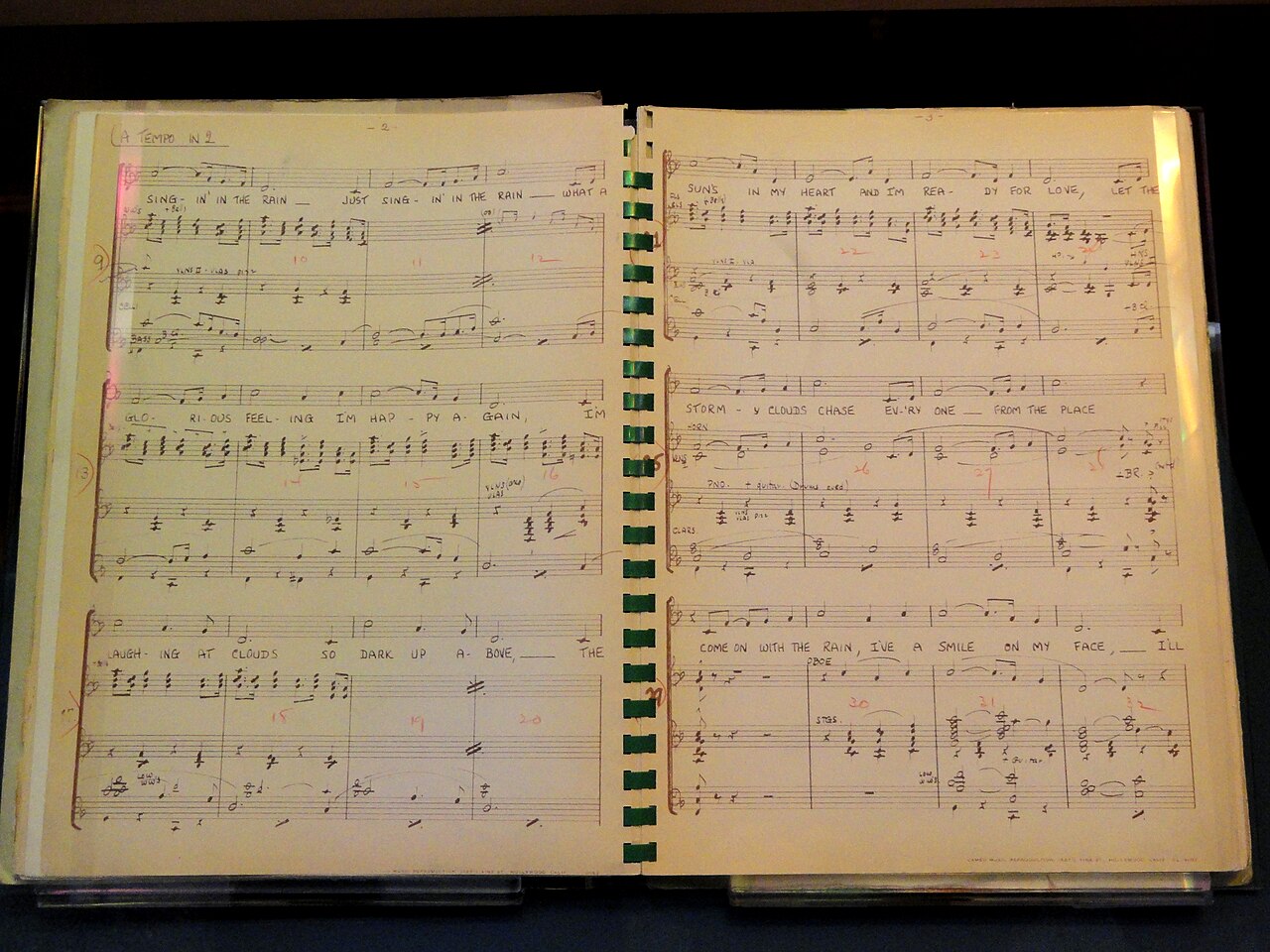
It uses Hollywood's real transition to sound as the engine of its plot, making industry history feel personal and comedic. Kelly's solo rain number in particular redefined what a musical sequence could look like on screen and has shaped choreography in the genre for decades.
More in Film History 1-16
Spotted an error? Know more?
This is a living reference — every entry is fact-audited, and reader corrections feed straight into our audit queue. Suggest an edit · See this site's audit record