Studio system
A Hollywood production and distribution system dominated by a few major studios.

Stefan Krause, Germany · CC BY-SA 3.0
A studio system is a method of filmmaking wherein the production and distribution of films is dominated by a small number of large movie studios.
- field
- Film production and distribution
- nationality
- American
- known_for
- Vertical integration, block booking, long-term contracts, and dominance by the Big Five studios
Lore & Background
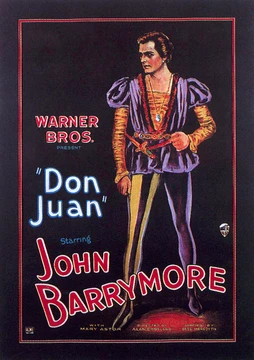
During Golden Age Hollywood, eight companies constituted the major studios that promulgated the Hollywood studio system. Also at this time, two of the Little Three major-minors (Columbia Pictures and Universal Pictures) were similarly organized, though without more than small theater circuits, and the third (United Artists) owned a small number of theaters and had access to two production facilities owned by members of its controlling partnership group, but it functioned primarily as a backer-distributor, financing independent productions and releasing their films. studio. The following year saw both the general introduction of sound throughout the industry and two more smashes for Warners. One month later, it purchased a controlling interest in the First National production company.
Reader's Guide
One of the techniques used to support the studio system was block booking, a system of selling multiple films to a theater as a unit. Such a unit—five films was the standard practice for most of the 1940s—typically included only one particularly outstanding film, the rest being a mix of A-budget pictures of lesser quality and B movies. Supreme Court specifically outlawed block booking. The studio system's legacy includes the establishment of Hollywood's dominance in global cinema and the creation of a factory-like production model that prioritized profitability and uniformity, though it also led to antitrust action and the eventual decline of the system.
The Machinery of Vertical Integration
The studio system functioned as a closed industrial loop. A handful of large companies controlled every stage of the filmmaking process simultaneously: they produced pictures on their own backlots, distributed those pictures through their own channels, and exhibited them in theater chains they owned or effectively controlled. This vertical integration was not merely convenient—it was the structural backbone of the era. Studios locked in creative talent through long-term contracts, binding actors and technicians to a single employer for extended periods. On the exhibition side, manipulative booking practices like block booking guaranteed that audiences would see a studio's entire slate of releases, not just its hits, effectively forcing additional sales. The period most associated with this model runs from 1927, when sound pictures arrived, to 1948, when legal and market forces began dismantling the structure.
Sound as Catalyst: Forging the Big Five
The arrival of synchronized sound in 1927 and 1928 did not simply add a new technical layer to filmmaking; it triggered a wave of corporate consolidation that defined the next three decades. Warner Bros., a mid-sized studio, surged ahead when The Jazz Singer and its follow-up The Singing Fool generated enormous profits. Flush with cash, the studio bought the Stanley theater chain in September 1928 and, a month later, acquired a controlling stake in First National, gaining a 135-acre lot and another string of theaters. Meanwhile, RCA, seeking to exploit its Photophone sound patents, pushed into the film business. General Electric took an interest in FBO, and by October 1928 RCA controlled both FBO and the Keith-Albee-Orpheum theater chain, merging them into RKO. With these moves, the five fully integrated giants—MGM, Paramount, Warner Bros., 20th Century-Fox, and RKO—were locked into place for roughly thirty years.
A Tiered Economy: The Big Five and the Little Three
The Golden Age film industry was stratified into two tiers of major studios. The Big Five—MGM, Paramount, Warner Bros., 20th Century-Fox, and RKO—combined production, distribution, and substantial theater ownership into single corporate entities. Below them sat the Little Three: Columbia and Universal, which operated similarly but with only small theater circuits, and United Artists, which functioned primarily as a financier and distributor, backing independent productions and releasing their output. Profitability rankings were remarkably stable. MGM held the top spot for eleven consecutive years from 1931 to 1941. Paramount, the most profitable studio in the early sound years of 1928 to 1930, faded for much of the 1930s before climbing back to first place by 1942. RKO and Warner Bros. generally occupied the bottom of the pack, with RKO losing money in 1932 alongside every other studio except MGM. Among the Little Three, Columbia led in the 1930s, Universal in the 1940s, and United Artists consistently trailed.
Legal Dismantling and a Singular Survivor
The studio system's end was not a single event but a convergence of legal and market pressures. In 1948, the Supreme Court ruled under antitrust law that the separation of production from distribution and exhibition was required, striking down the vertical integration that had been the system's defining feature. By 1954, television had entered the living room as a competitor for audience attention, and the last operational links between major studios and their theater chains had been severed, closing the chapter on the era. Yet one studio's trajectory stands apart. The Walt Disney Company, founded in 1923, was initially an animation operation without its own theaters and was not regarded as a peer of the majors. It expanded into live-action in the 1940s and by 1986 was counted among a new "Big Six." Ironically, Disney is the only studio originating in that 1940s era that has continuously operated as the same corporate entity to the present day, while even survivors like Paramount and Warner Bros. have undergone multiple mergers and restructurings.
Gallery




Frequently Asked Questions
What is the Studio system?
The Studio system was a Hollywood production-and-distribution model in which a handful of major studios controlled nearly every stage of filmmaking, from hiring talent to owning the theaters that screened the finished product. It defined the industry's structure during the Golden Age of Hollywood.
What were the Studio system's key mechanisms of control?
Studios relied on vertical integration (owning production lots, distribution networks, and exhibition chains), long-term exclusive contracts that bound actors and directors to a single studio, and block booking, which forced theaters to accept bundles of films just to get the marquee titles. Together these practices let the Big Five—MGM, Paramount, Warner Bros., 20th Century Fox, and RKO—dominate the market.
Why does the Studio system matter to film history?
It created the institutional conditions under which iconography, genre conventions, and star-driven storytelling became the backbone of American cinema, shaping how audiences experienced movies for two decades. Understanding the system's rise and fall is essential for reading the aesthetics, labor practices, and business logic of classic Hollywood.
More in Film History 1-16
Spotted an error? Know more?
This is a living reference — every entry is fact-audited, and reader corrections feed straight into our audit queue. Suggest an edit · See this site's audit record